
 LabelLogic Live
 Planglow Account Login

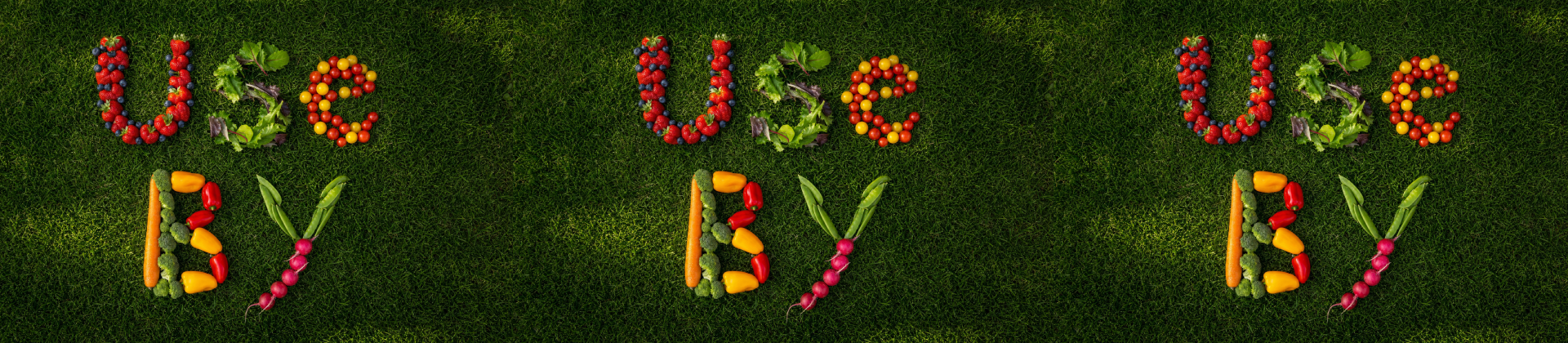
New law standardizes food date labels to reduce food waste (AB 660)
Jul 15, 2026
For decades, labels like “sell by,” “use by,” “best by,” “best before,” and “expires on” have caused confusion, sometimes appearing on similar products on the same supermarket shelf. Many consumers mistake them for safety warnings, leading to millions of tons of edible food being discarded every year. Approximately 2.5 billion meals' worth of unspoiled food is thrown away annually in California, with organic waste accounting for nearly half of what goes to the state's landfills. (CalRecycle)
Here's what food businesses need to know about California’s AB 660: compliance requirements, deadlines, and the difference between "sell by," "use by," and "best by" labels.
AB 660 compliance at a glance
- Effective date: July 1, 2026
- Applies to:
- Food products for human consumption manufactured on or after July 1, 2026 and sold in California with a date label.
- Manufacturers, processors and retailers selling food products in California (with exemptions).
- Bans: Consumer-facing "sell by" dates.
- Approved quality labels:
- BEST if Used by.
- BEST if Used or Frozen by.
- Approved safety labels:
- USE by.
- USE by or Freeze by.
What is California's AB 660 food date labeling law?
AB 660 is a California law that standardizes how food manufacturers, processors and retailers communicate quality and safety dates on packaging. Signed by Governor Newsom in September 2024, the law makes California the first US state to mandate uniform date labeling terms and bans consumer-facing "sell by" dates.
The law was authored by Assemblymember Jacqui Irwin, and co-sponsored by Californians Against Waste. According to the bill’s sponsors more than 50 different date-label phrases are currently in circulation across the US, which is a major driver of confusion and unnecessary food waste.
Why is California banning "sell by" dates?
"Sell by" dates were never meant for consumers. They exist to help retailers manage stock rotation, not to tell consumers anything about freshness or safety. The problem is that most people read "sell by" as an expiration date and throw food away the moment it passes, even though the product is often still perfectly good.
Under AB 660, "sell by" dates can no longer appear on consumer-facing packaging. Retailers can still use coded sell-by information for internal stock rotation, as long as it isn't presented in a way shoppers can read or interpret.
What are the new standardized date labels?
From July 1, 2026, any food item sold in California (exemptions aside) that carries a date label must use one of two approved phrases, depending on what the date is actually communicating:
- Quality date labeling: “BEST if Used by” or “BEST if Used or Frozen by”
- Safety date labeling: “USE by” or “USE by or Freeze by”
Anything other than those four terms such as "expires on," "freshest by," or "best before" won't be legally compliant on products manufactured on or after the effective date.
For packages that are too small to include the full version of these standardized terms, abbreviations may be used: “BB” for the quality date and “UB” for the safety date.
What's the difference between "BEST if Used by" and "USE by"?
This is the distinction the whole law hinges on:
- "BEST if Used by" is about quality, not safety. After this date, a product might lose some flavor, texture or freshness, but it's still safe to eat.
- "USE by" is about safety. After this date, the product may no longer be safe to eat.
The idea is to remove ambiguity by clearly distinguishing between quality and safety dates, with the aim of reducing food waste.
Can businesses still use "Best Before"?
To avoid confusion, terms such as "Best Before," "Freshest By," "Expires On," and similar alternatives cannot be used on products manufactured on or after July 1, 2026 if they are sold in California. Only the four approved phrases are permitted (subject to the law's exemptions).
When does the AB 660 food date labeling take effect, and what products does it cover?
The California AB 660 law applies to food items for human consumption manufactured on or after July 1, 2026. There is a transition period; products made before that date can still be sold under existing labeling while they work through the supply chain.
There are exemptions from the AB 660 food date labeling law:
- infant formula
- eggs
- beer and other malt beverages
- wine and spirits
- shellfish
Please note that wine and spirits, and shellfish governed by the National Shellfish Sanitation Program, can continue using their existing date conventions instead of switching to "BEST if Used by" or "USE by."
Does AB 660 food date labeling apply to businesses outside California?
Yes, if your products are sold in California, the rule follows the product, not your business address. Manufacturers based anywhere in the US (or beyond) need compliant labeling on anything destined for California shelves. Given the size of this market, many brands are expected to simply standardize their labeling nationally rather than run two separate label runs.
The sponsors of AB 660 hope it will be a catalyst for similar legislation in other states and accelerate enactment of the Federal Food Date Labeling Act.
Does this new law apply to grab and go?
Food made to order in restaurants and cafés is exempt, since it is prepared for immediate consumption rather than packaged for retail sale. But grab-and-go items sold through retail, such as prepackaged sandwiches, salads, or snacks, aren't restaurant food in the eyes of the law. If they're mass-produced or made ahead of time and packaged before going on sale, AB 660's labeling rules apply to them if the products carry a date label.
What happens if a business doesn't comply?
AB 660 date labeling doesn't create a specific new penalty of its own. Non-compliance is enforced as a misdemeanor under California's Food and Agricultural Code. It could also pose commercial and reputational risks: retailer chargebacks, shelf pulls and supply chain disruption while labels get fixed.
How to comply with California's food date labeling requirements
Here is a quick checklist to achieve AB 660 compliance:
- Audit every product sold into California and flag any label that doesn't use one of the four approved phrases.
- Confirm retailer-specific requirements before shipping products into California.
- Decide, product by product, whether the date is about quality or safety as this determines which phrase applies.
- Update artwork and print files so packaging reflects the new wording before your next production run.
- Brief your quality assurance and production teams so mislabeled stock doesn't get distributed after July 1, 2026.
- Review ERP/POS/label printing software to ensure approved terminology is automatically generated.
- Keep records of label changes and the reasoning behind quality vs. safety decisions, particularly if you hold Safe Quality Food (SQF) or similar certification.
How does Planglow’s labeling software, LabelLogic, help with AB 660 compliance?
Updating date labeling across multiple products, locations, and print runs can be challenging, particularly for businesses supplying multiple retailers. LabelLogic helps standardize date labeling by allowing businesses to centrally control approved wording, helping ensure every label uses the correct AB 660 terminology.
Does Planglow have experience with labeling legislation?
Planglow has extensive experience helping food businesses of all sizes adapt to labeling legislation, including Natasha's Law in the UK and allergen-labeling requirements in New York. LabelLogic enables businesses to manage compliance requirements centrally while maintaining consistency across locations and food offerings. It’s future-proofed for whatever new legislation is introduced.
Need to update your food labels for AB 660?
LabelLogic is easy to use, cloud-based, and backed by an expert support team. Plus, there are no upfront costs - simply buy a box of labels. Book a consultation or start a free trial of LabelLogic to see how you can get compliant.